Mara Krüger · 2 September 2026
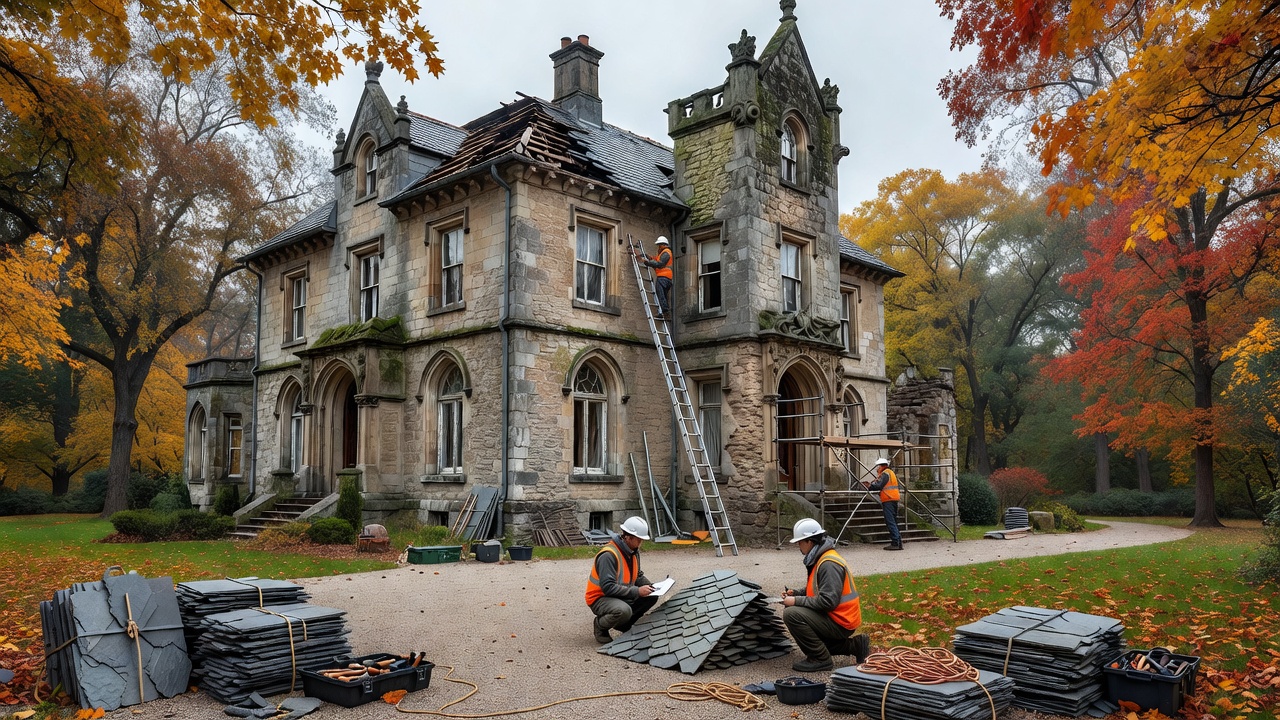
The restoration project at historic Grove Estates has officially begun, focusing on preserving the 19th-century structures that have stood as landmarks in the region for generations. Crews started site assessments this week, clearing overgrown vegetation and evaluating structural integrity before major repairs commence.
Historical Significance of the Estates
Grove Estates, originally built in the 1850s, served as a gathering place for notable literary figures in the early 20th century. Its halls hosted readings and discussions that influenced regional writing traditions. The property includes a main manor, carriage house, and surrounding gardens that reflect Victorian-era design. Preservation efforts aim to maintain these features while updating utilities for modern safety standards. Local historians note the estates' role in documenting cultural shifts through preserved documents and artifacts found on site.
Funding for the project comes from a combination of state grants and private donations dedicated to heritage sites. Experts estimate the work will span 18 months, with phases dedicated to roof replacement, foundation stabilization, and interior restoration. Environmental assessments have confirmed no hazardous materials in primary buildings, allowing steady progress.
Project Scope and Community Impact
The initiative includes restoring original woodwork, repainting facades in period-appropriate colors, and replanting formal gardens with native species. Accessibility improvements such as ramps and updated pathways will ensure broader public access once complete. Community members have voiced support, highlighting the estates as a venue for educational programs tied to literary heritage.
Contractors emphasize minimal disruption to surrounding neighborhoods during construction hours. Regular updates will be shared through public meetings to maintain transparency. Upon completion, the restored estates are expected to support ongoing cultural activities, reinforcing their place as a preserved landmark. This effort aligns with broader regional commitments to safeguarding historic properties for future study and appreciation.