Quinn Schmidt · 2 September 2026
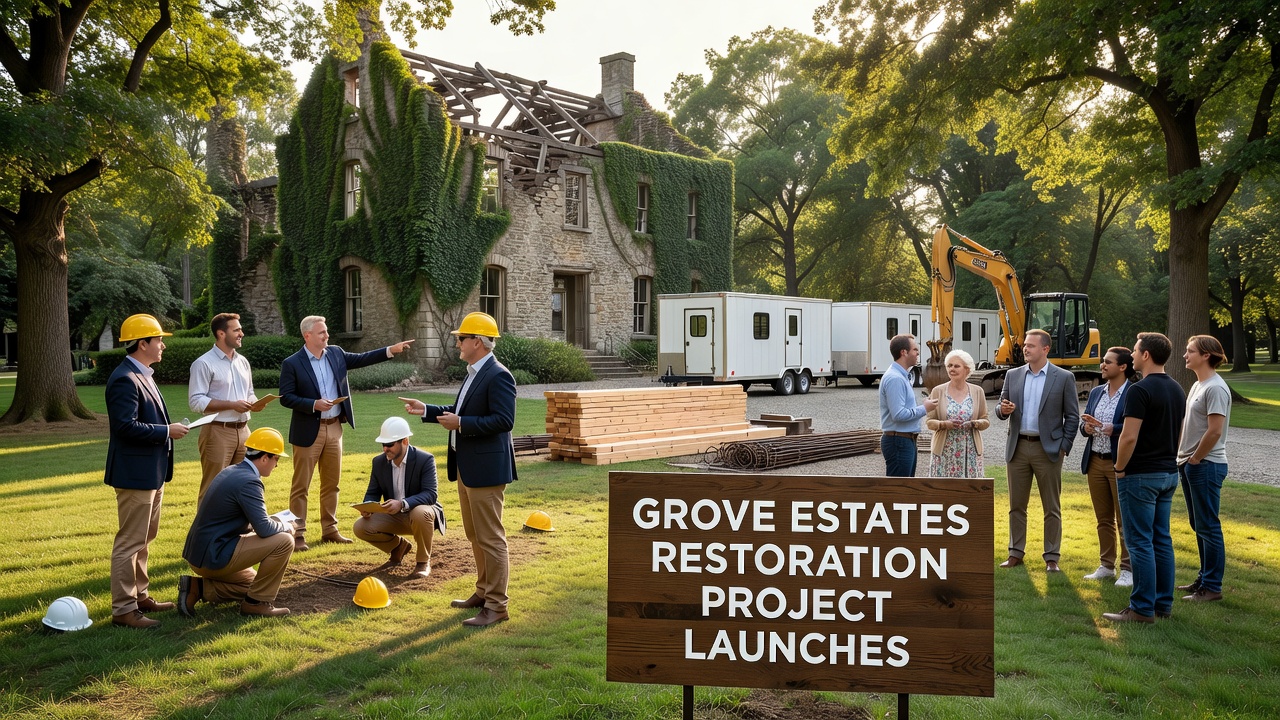
The restoration project at the historic Grove Estates has officially commenced, marking a significant effort to preserve one of the region's most important cultural landmarks. Crews began work last week on the main house, focusing on structural repairs and historical accuracy.
Historical Background
Grove Estates, built in the early 19th century, has long been associated with literary figures and intellectual gatherings. It served as a retreat for writers and poets, influencing many works featured in publications like the Grovehouse Literary Review. The estate's library and gardens have inspired countless stories and essays over the decades.
Over the years, the property fell into disrepair due to neglect and natural wear. Local historians have advocated for its preservation, citing its role in American literary history. The current project aims to restore it to its former glory while incorporating modern safety standards.
Restoration Plans and Timeline
The project is expected to take two years and involves multiple phases. Initial work includes roof replacement, foundation stabilization, and facade restoration. Subsequent stages will address interior renovations, particularly the library and study rooms where many literary discussions took place.
Funding comes from a combination of private donations, grants from historical societies, and state allocations. Experts in historic preservation are leading the efforts to ensure authenticity. Community involvement is encouraged through volunteer programs and public tours once safe.
Upon completion, the restored Grove Estates will host literary events, readings, and exhibitions, potentially boosting tourism and educational programs in the area. Officials emphasize the importance of maintaining the site's integrity for future generations interested in literature and history.
Environmental assessments have been conducted to protect the surrounding ecosystems during construction. This careful approach ensures that the restoration not only preserves the built environment but also the natural beauty that has long complemented the estate's literary ambiance.