Alex Coleman · 2 September 2026
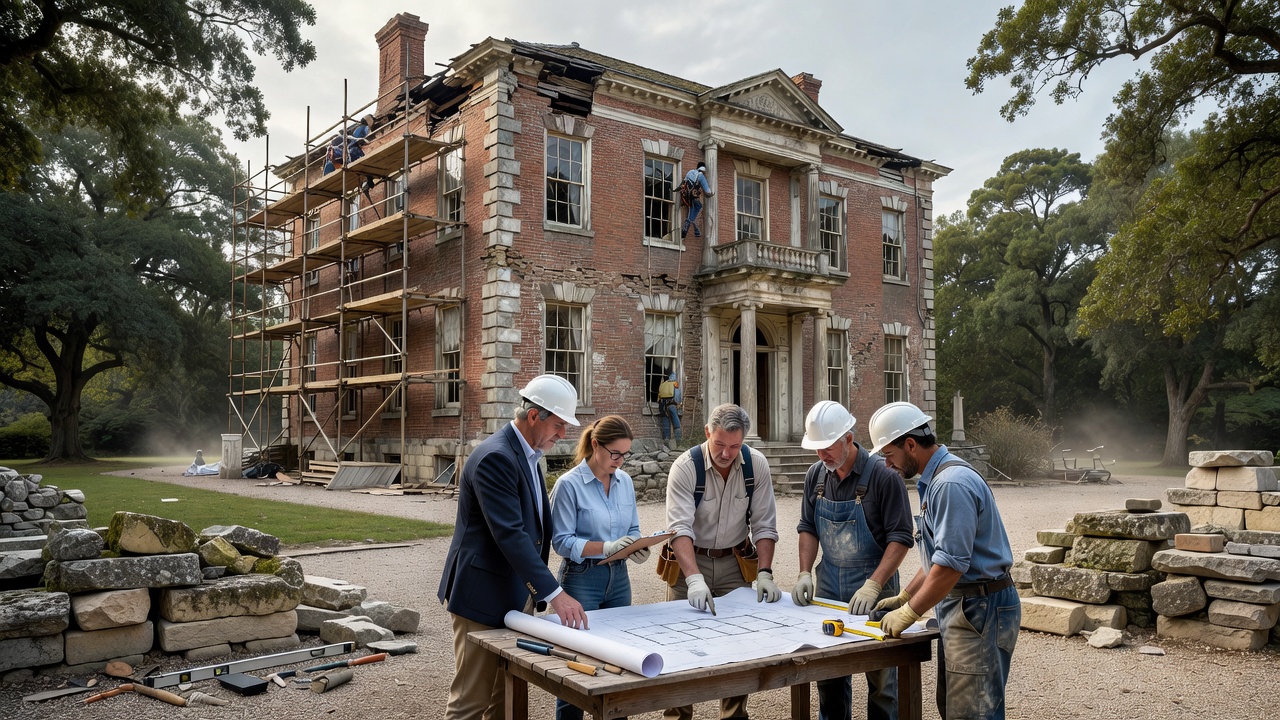
Work has commenced on a comprehensive restoration of Grove Estates, the historic property closely associated with Grovehouse Literary Review. Crews began site preparation this week, focusing on structural repairs to the main residence and outbuildings. The project aims to preserve architectural features dating to the 19th century while updating essential systems for modern use.
Historical Significance of Grove Estates
Grove Estates served as a gathering place for writers and scholars throughout the 20th century. Its library and surrounding grounds hosted early meetings that led to the founding of Grovehouse Literary Review. Original oak paneling, hand-carved mantels, and period windows remain intact in several rooms. Preservation specialists have documented every element to guide accurate repairs. Local historians note that the estate influenced regional literary circles by providing a quiet setting for readings and manuscript reviews. The current effort seeks to maintain that legacy without altering the character that made the property notable.
Funding comes from a combination of private donations and a state preservation grant. Project managers estimate completion within 18 months, weather permitting. Daily operations at the review continue uninterrupted in temporary offices on the grounds.
Details of the Restoration Efforts
Contractors will address roof leaks, foundation settling, and outdated electrical wiring first. Later phases include restoration of formal gardens and stabilization of stone walls along the driveway. All work follows guidelines from the state historic preservation office to retain original materials where possible. New HVAC systems will be installed discreetly to avoid visible changes to the exterior. The review plans to reopen public spaces for events once safety inspections are complete. Organizers expect the restored estate to support expanded programming, including archival research and small-scale literary gatherings. Updates on progress will be shared through the review’s regular communications channels.